





Outdoor Floodlight and Security Camera Mounting for CT Homes
Many homeowners are replacing older outdoor floodlights with combination floodlight cameras or adding standalone security cameras around the house. The products are easy to find, but mounting them well takes planning, especially when the fixture sits high on a second story or on older siding. Here is what homeowners in Shelton, Stamford, Wilton, and across Fairfield County, CT should know before upgrading.
Replacing an Existing Floodlight with a Floodlight Camera
The simplest upgrade is swapping an existing hardwired floodlight for a floodlight camera in the same spot. The new fixture connects to the existing outdoor junction box, so no new wiring is run. Before the visit, check that the camera is designed to mount on your type of box, and make sure you know which breaker controls the light, since power must be turned off during installation.
Placement and Wi-Fi Coverage
A camera is only useful if it sees the right area and stays connected. Good placement covers entry points such as driveways, doors, and walkways while avoiding direct views into neighboring homes. Wi-Fi signal should be checked at the mounting location before the camera goes up, since exterior walls and distance from the router can weaken the connection.
High and Second Story Installations
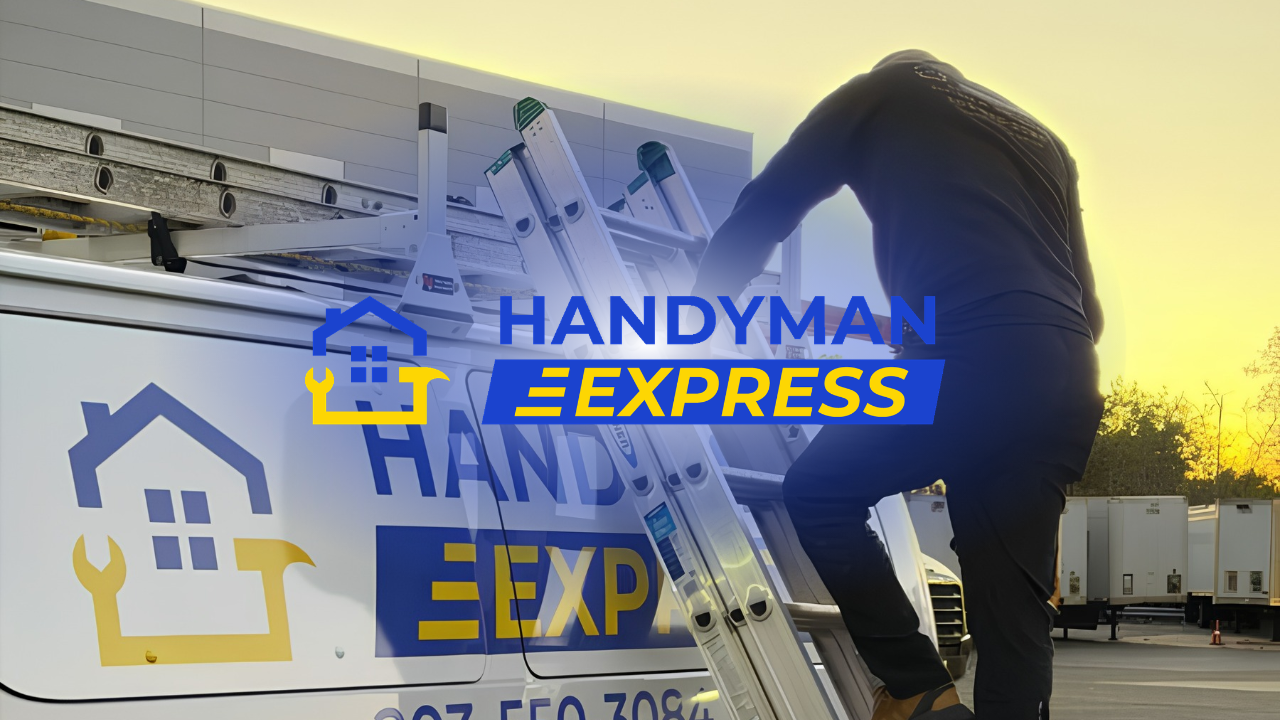
Floodlights are often mounted under the eaves or high on a gable to light a larger area. These jobs require the right ladder, stable footing, and safe access, so let the installer know the mounting height ahead of time.
Weatherproofing the Mount
Exterior fixtures should be sealed against water at the mounting plate. On lap or shingle siding, a mounting block creates a flat, secure surface and helps keep water out.
Frequently Asked Questions
Can I replace my outdoor floodlight with a floodlight camera?
Yes, in most cases. If you already have a hardwired floodlight connected to an outdoor junction box, a floodlight camera can usually replace it in the same location using the existing wiring. Check that the product fits your box type and that the spot has a reliable Wi-Fi signal before scheduling the installation.
How high should an outdoor security camera be mounted?
An outdoor camera should be mounted high enough to be out of easy reach while still capturing clear detail of faces and entry points. The ideal height varies by model and field of view, so check your camera manufacturer's recommended mounting height. Floodlight cameras are usually mounted higher to light a wider area of the yard or driveway.
Do outdoor security cameras need Wi-Fi?
Most consumer outdoor cameras connect over Wi-Fi to stream video and send alerts, so a strong signal at the mounting spot is important. If the signal is weak, a mesh network node or Wi-Fi extender closer to that side of the house can help. Some systems also use a separate base station or a wired connection instead.
Can a security camera be mounted on vinyl siding?
Yes. Cameras can be mounted on vinyl siding using a siding mounting block, which creates a flat, solid surface and still allows the siding to expand and contract. Fastening directly through vinyl can crack it or restrict its movement. Mounting blocks also help seal around the fixture against rain and snow.
When do I need an electrician for outdoor lighting?
An electrician is typically needed when there is no existing outdoor fixture or junction box and new wiring or a new circuit must be run. Replacing an existing fixture in the same location is a simpler job. Handyman Express will let you know upfront if your project requires a licensed electrician before any work begins.
Handyman Express provides security camera mounting and minor electrical repairs across Fairfield County, CT. If your project needs new wiring or a new circuit, we will let you know upfront that a licensed electrician is required. Contact us to schedule your installation.